
Dr. Elaine Kasket in conversation with The Health Review
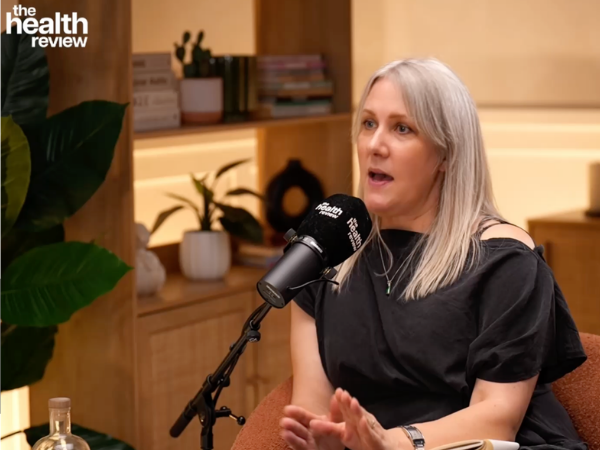
In a recent conversation with The Health Review, Dr Elaine Kasket explored how technology is reshaping our relationships, our attention, our sense of agency and even our understanding of what it means to be human.
Technology is advancing at extraordinary speed. But as cyber psychologist and author Elaine Kasket argues, the most important questions it raises are not technical. They are psychological.
Much of the discussion centred on a theme that runs through her work: technology is no longer simply a tool we use. It has become a constant presence within our relationships. Whether between partners, parents and children, colleagues or friends, digital technologies increasingly act as a third force in the room, influencing how we communicate, where our attention goes and how we experience one another.
Elaine's observations on "attentional infidelity" were particularly striking. Human beings are wired to seek connection, recognition and responsiveness from one another. Yet many of us now divide our attention between the people physically present and the endless demands arriving through our devices. The result is often subtle but significant: a gradual erosion of presence, reciprocity and connection.
The conversation also examined the growing tendency to outsource difficult decisions to AI. As large language models become embedded in daily life, there is a temptation to hand over increasingly complex questions about relationships, careers and personal choices. Elaine challenges this instinct, arguing that uncertainty, reflection and judgement are not problems to be eliminated. They are fundamental parts of being human.
Her perspective on AI companionship was equally thought-provoking. While people may experience genuine feelings in their interactions with AI systems, Elaine argues that relationships require reciprocity. They require responsibility, care and mutual obligation. An AI may respond convincingly, but it does not need us in return.
Perhaps most compelling was her emphasis on service. At a time when technology increasingly promises convenience, efficiency and personal optimisation, Elaine reminds us that meaning often comes from looking outward rather than inward. Purpose, fulfilment and happiness are frequently found not in what we receive, but in how we contribute to the lives of others.
As conversations around AI continue to focus on capability and productivity, Elaine brings attention back to the questions that matter most: what kind of people we want to be, what kind of relationships we want to build, and what aspects of our humanity are worth protecting.
These are precisely the conversations audiences are looking for as they navigate a rapidly changing world.
The full interview is available here: https://www.youtube.com/watch?v=hCEnGPv7X4Y