
speaker news.
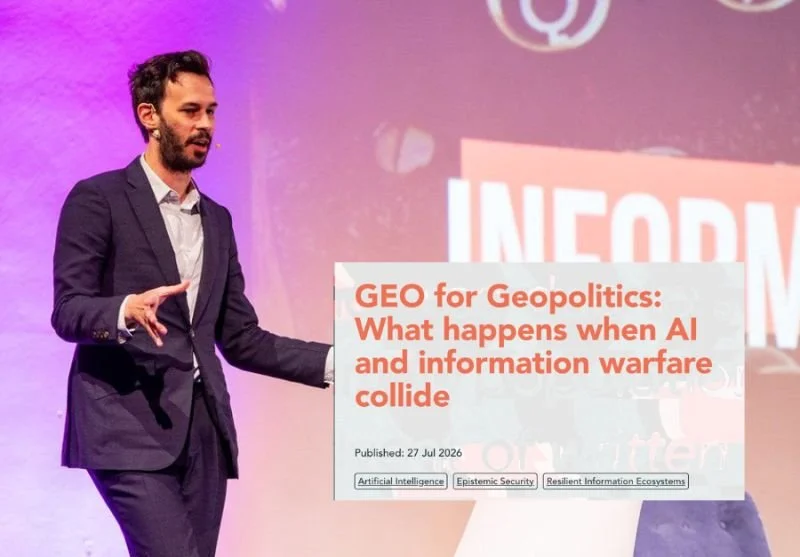
Carl Miller: New Research on AI’s role in Information Warfare
As AI becomes one of the ways we understand the world, a new question is emerging: who is shaping what it tells us?
In his latest paper for Demos, GEO for Geopolitics, Carl Miller examines a new frontier in information warfare — how the online information retrieved by AI models can be deliberately manipulated to influence the answers they give.

Adam Kingl on BBC Radio London
Adam Kingl was recently on BBC Radio London discussing a topic that resonates with many organisations today: how the way we eat influences the way we work.
Drawing on ideas from his new book Executive Eats, Adam explored the links between nutrition, wellbeing and performance, making the case that preparing food is about far more than healthy eating. It can support concentration, creativity, sustained energy and even strengthen the habits and connections that underpin effective working.

John Kampfner: Challenges Faced By Andy Burnham
As Britain welcomes yet another new prime minister and British politics enters another period of change, John Kampfner turns his attention to what the latest shift in leadership could mean for the UK — and how it will be understood beyond its borders.
In his latest Citizen of Everywhere Substack, John examines the political and economic challenges facing Andy Burnham, from devolution and public services to Britain’s relationship with Europe and its place on the international stage.
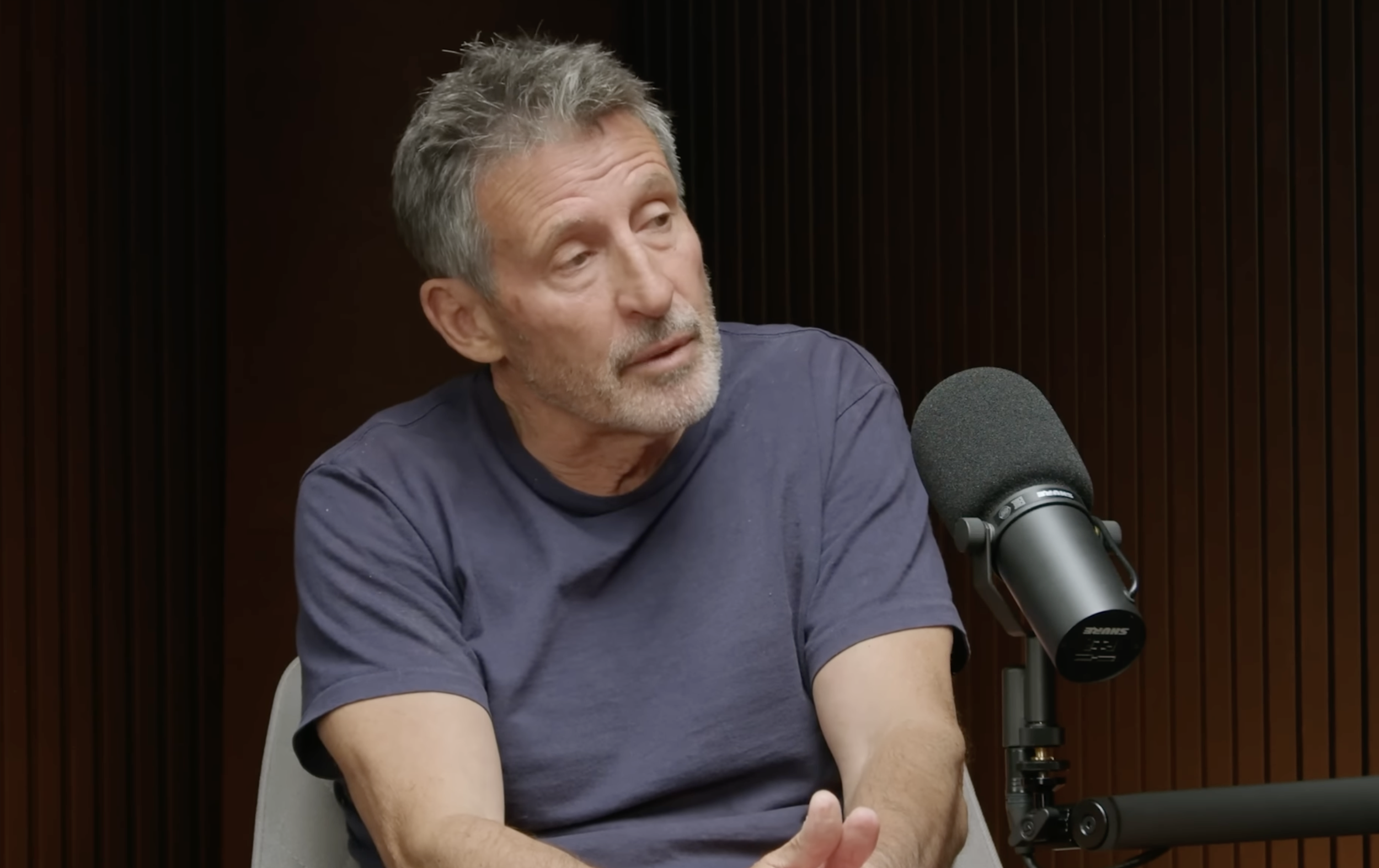
Seb Coe in conversation with The Business of Sport
Few people have experienced global sport from as many angles as Lord Sebastian Coe.
In a wide-ranging recent podcast with Harry Stebbings and Charlie Stebbings at Business of Sport, Seb reflects on the evolution of athletics, the commercial realities facing elite athletes, and the responsibility of sporting organisations to remain relevant to new generations. The breadth of his experience — as an Olympic athlete, political figure, leader of London 2012 and President of World Athletics — and his understanding of sport do not operate in isolation. Questions of governance, economics, geopolitics and social change are all part of the landscape.

Dr Thomas Curran : New Research on Perfectionism published
New research from Dr Thomas Curran adds further depth to an increasingly important conversation about perfectionism and the pressures facing young people.
Published in Psychological Bulletin, the study draws on 35 years of data from almost 100,000 college students across the US, UK and Canada. Its findings suggest that perfectionism is not only rising but accelerating, and that the causes may go deeper than the influence of smartphones and social media, with wider economic and societal pressures also playing a role.
It’s a significant addition to Thomas’s long-standing work in this field and to the questions he explores with audiences: where our expectations of achievement come from, the consequences of a growing fear of failure, and how we might rethink our relationship with success.
Research of this scale brings valuable new evidence to that conversation, and gives organisations another reason to look carefully at the cultures and expectations we create.
You can read the full paper from the American Psychological Association.

Scamproof Your Life: Alexis Conran’s New Substack on Outsmarting Fraudsters
Alexis Conran has launched a new Substack looking at the sharp rise in fraud across the UK. With 4.5 million incidents reported last year—up from 3.2 million in 2024. Losses hitting £14.4 billion, he explores what’s really going on behind the numbers, and why the true scale is likely even bigger.
Drawing on more than 20 years spent exposing scams on TV, Alexis shares practical advice, real stories, and insights into how fraudsters actually operate, helping readers better spot and avoid increasingly sophisticated scams.
Subscribe to Alexis’ Substack here: https://scamproofyourlife.substack.com/
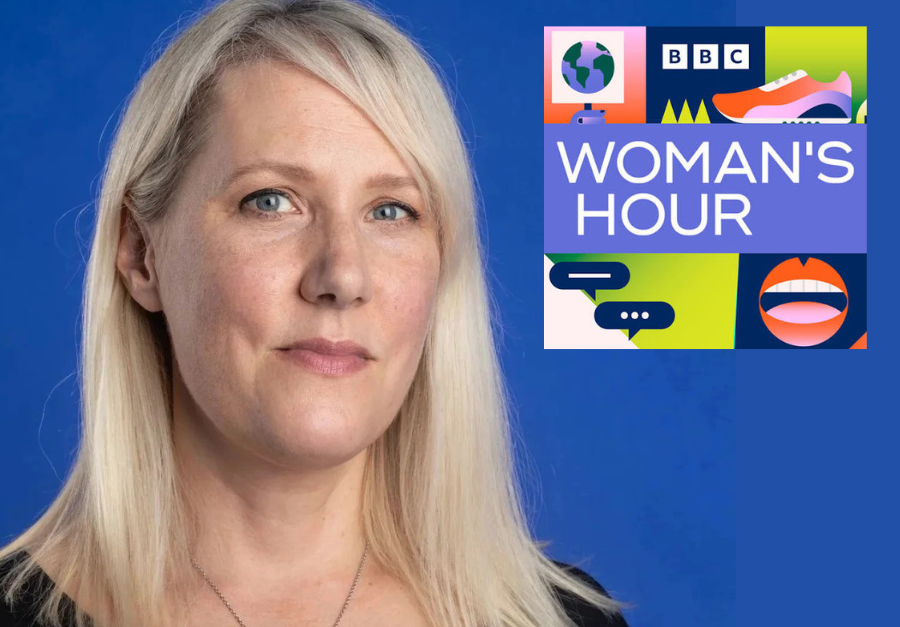
Dr. Elaine Kasket on Woman’s Hour
As artificial intelligence continues to reshape the digital landscape, it is also creating new challenges for child safety and online privacy.
Earlier this week, Dr Elaine Kasket joined the BBC's Woman's Hour to discuss reports from the National Crime Agency highlighting how offenders are exploiting AI technologies to target children in increasingly sophisticated ways.
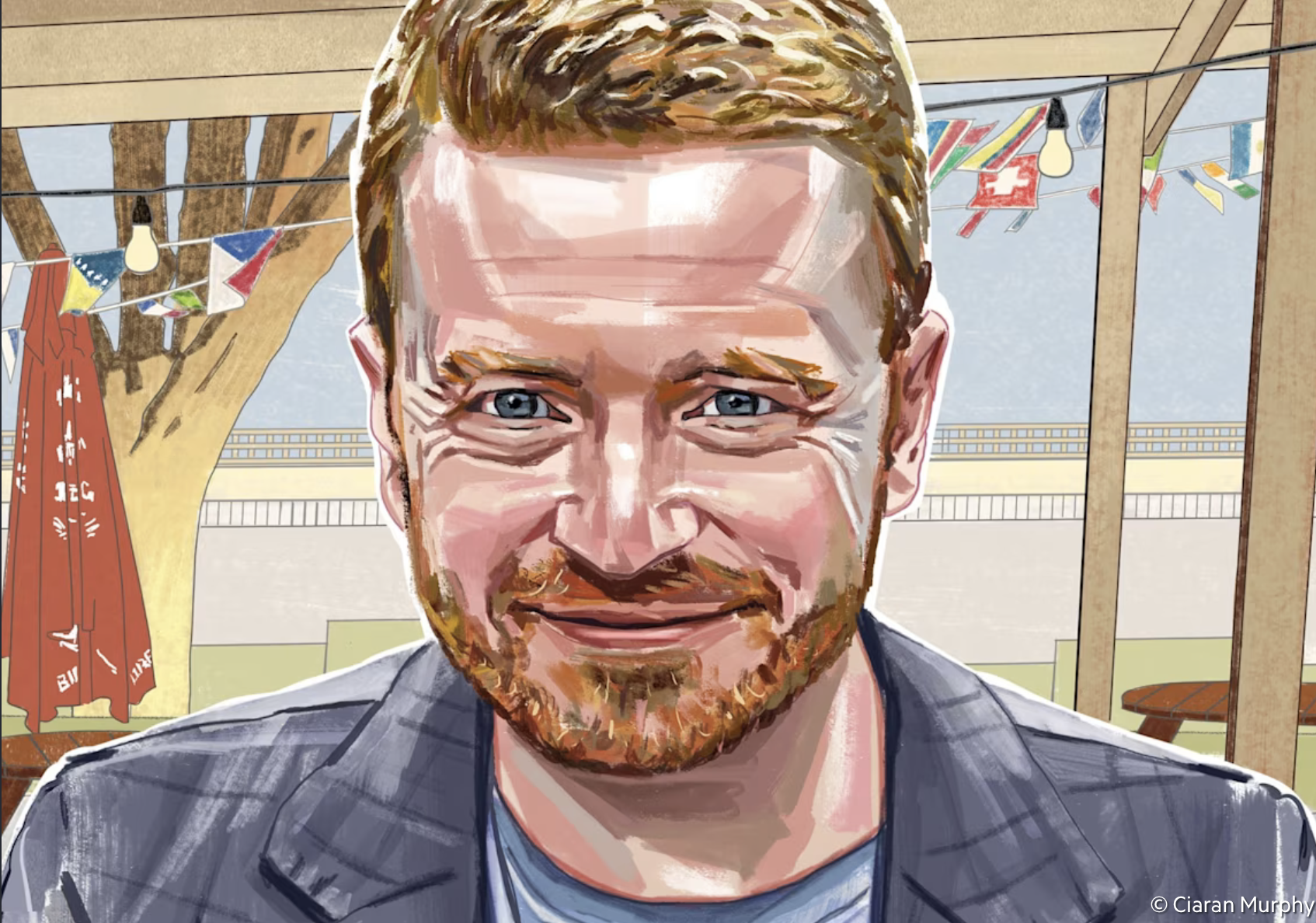
Morgan McSweeney has lunch with the FT
Morgan McSweeney’s recent Financial Times interview offers a rare insight into the thinking behind campaigns, leadership and the realities of governing. It is a candid reflection on preparation, judgement and the decisions that shape political outcomes long before they reach the public stage.
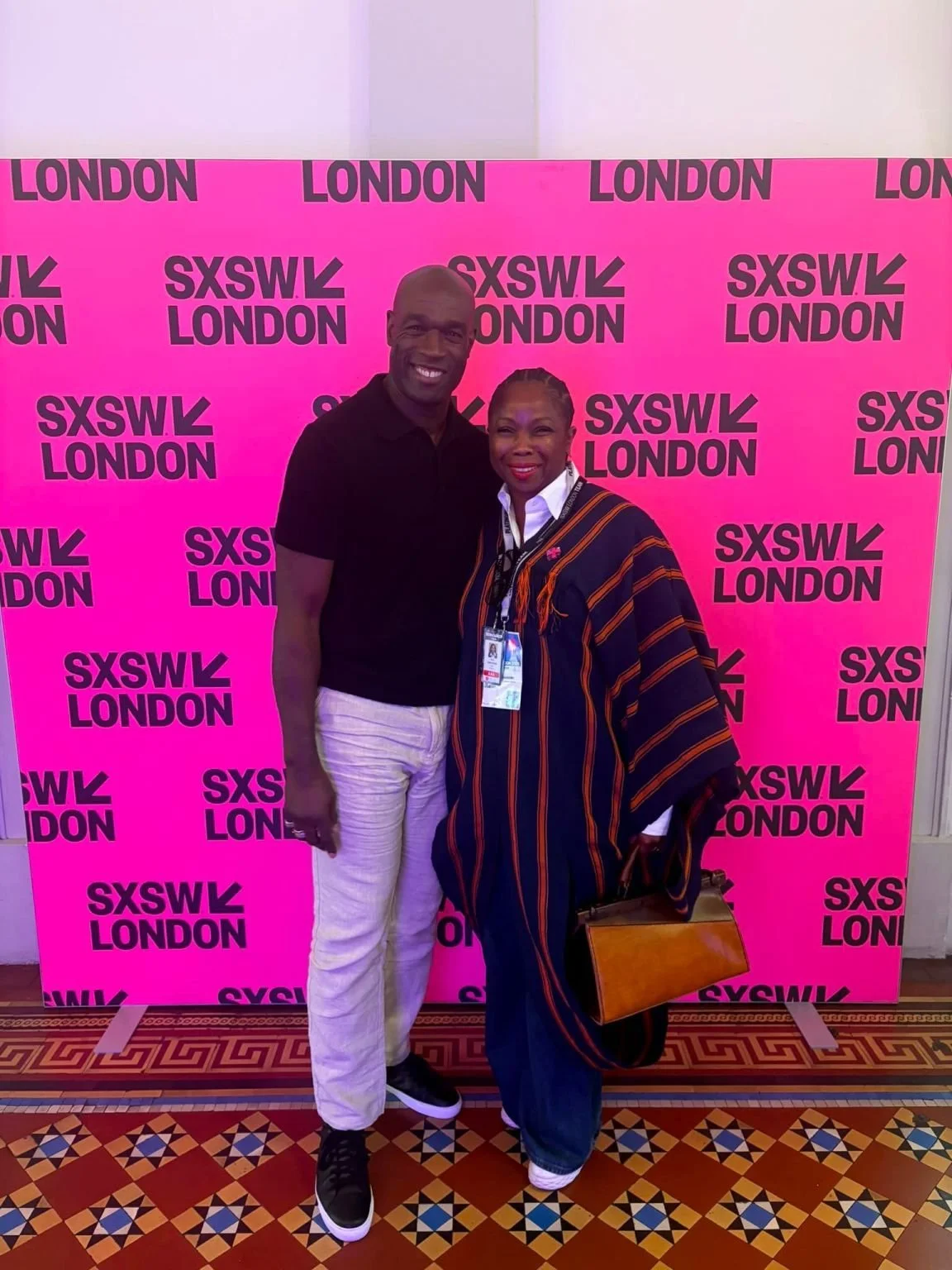
Eva Omaghomi: Helping Shape the Future of SXSW London
While SXSW has spent nearly four decades bringing together leaders from business, technology, culture and the creative industries in Austin, its London edition is only in its second year.
As Co-Chair of the SXSW London Advisory Council, Eva Omaghomi CVO PhD (h.c.) has played a pivotal role in establishing the festival's identity. Working alongside fellow council members, she has helped shape this year's programme, exploring topics ranging from AI and the future of power to creativity, culture and the changing nature of society.

Emilie Bellet on #whattheeuros, the European Central Bank podcast
Vestpod founder Emilie Bellet joined #whattheeuros, the European Central Bank podcast hosted by Catherine Steer, to discuss how rising prices are shaping everyday financial decisions.
Financial literacy isn't simply about understanding markets or products. It's about helping people navigate uncertainty with greater confidence, make informed choices, and build long-term resilience.

Catherine Mayer’s latest book ‘Divide and Rule: Royal Women and Their Battles’ out now
Catherine Mayer's new book release, Divide and Rule: Royal Women and Their Battles.
Drawing on figures from Anne Boleyn to Meghan, Duchess of Sussex, the book explores how royal women have been cast in competition with one another—and what those stories reveal about power, gender and the narratives societies choose to amplify.
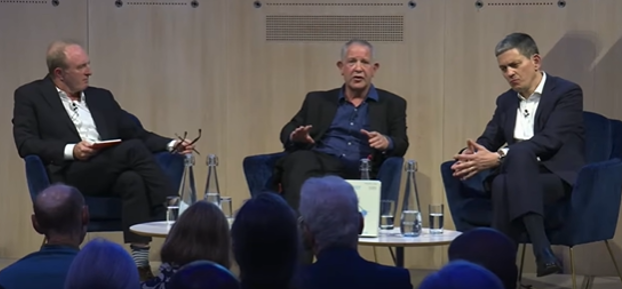
John Kampfner in conversation with James Harding & David Miliband at the Royal Society of Arts
In conversation with editor-in-chief of The Observer, James Harding, and former foreign secretary David Miliband at the Royal Society Of Arts, John Kampfner explored how societies can respond to long-term challenges by looking beyond familiar assumptions.
Drawing on examples from countries including Japan, Taiwan, Finland, Canada and Austria, the discussion focused on practical ideas that have already been tested elsewhere—and what they might teach us about leadership, public policy and democratic renewal.
John's book A Braver New World is a timely addition to the debate, and a reminder that optimism is most credible when it is backed by evidence.
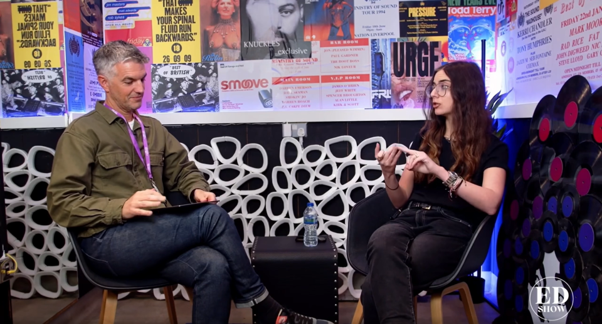
Lea Karam in conversation with Steve Usher on The Experience Designers Show
In her recent, wide-ranging conversation with Steve Usher on The Experience Designers Show, behaviour scientist and founder of Mindscope Lea Karam, challenges one of the most familiar assumptions in communication: that our attention spans are shrinking.
On the show she also explores other fascinating subjects such as how she works with the BBC to introduce its programme on YouTube, and the myths she wants to debunk about Gen Zs.
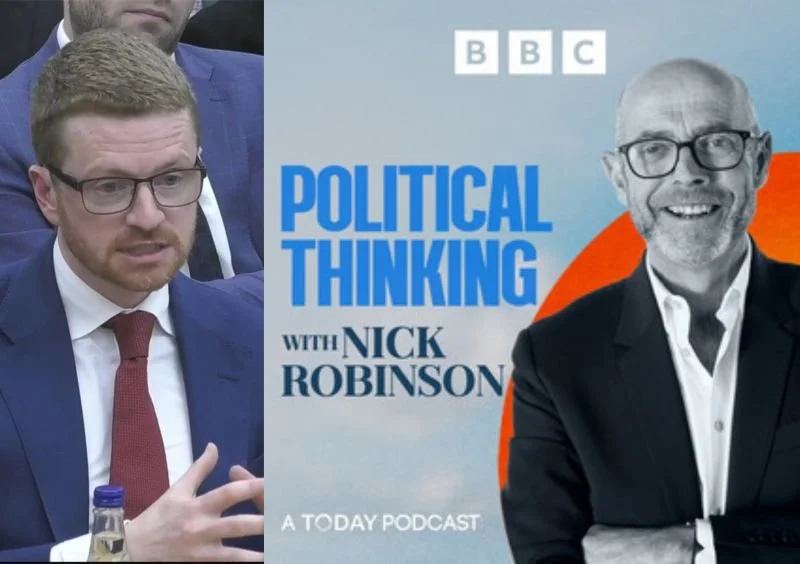
Morgan McSweeney’s first-ever media interview on the Political Thinking with Robinson podcast.
In a wide-ranging and candid conversation, the former Downing Street Chief of Staff reflects on Labour's time in government, discussing the challenges of preparing for power, the realities of delivering change at pace, and the lessons he has taken from one of the most turbulent periods in recent British politics.
Morgan also shares his thoughts on the future of the Labour Party, the importance of stronger regional leadership, and why he intends to step away from frontline politics for the next chapter of his career.
It's a fascinating insight from someone who has operated at the very centre of political strategy and decision-making.
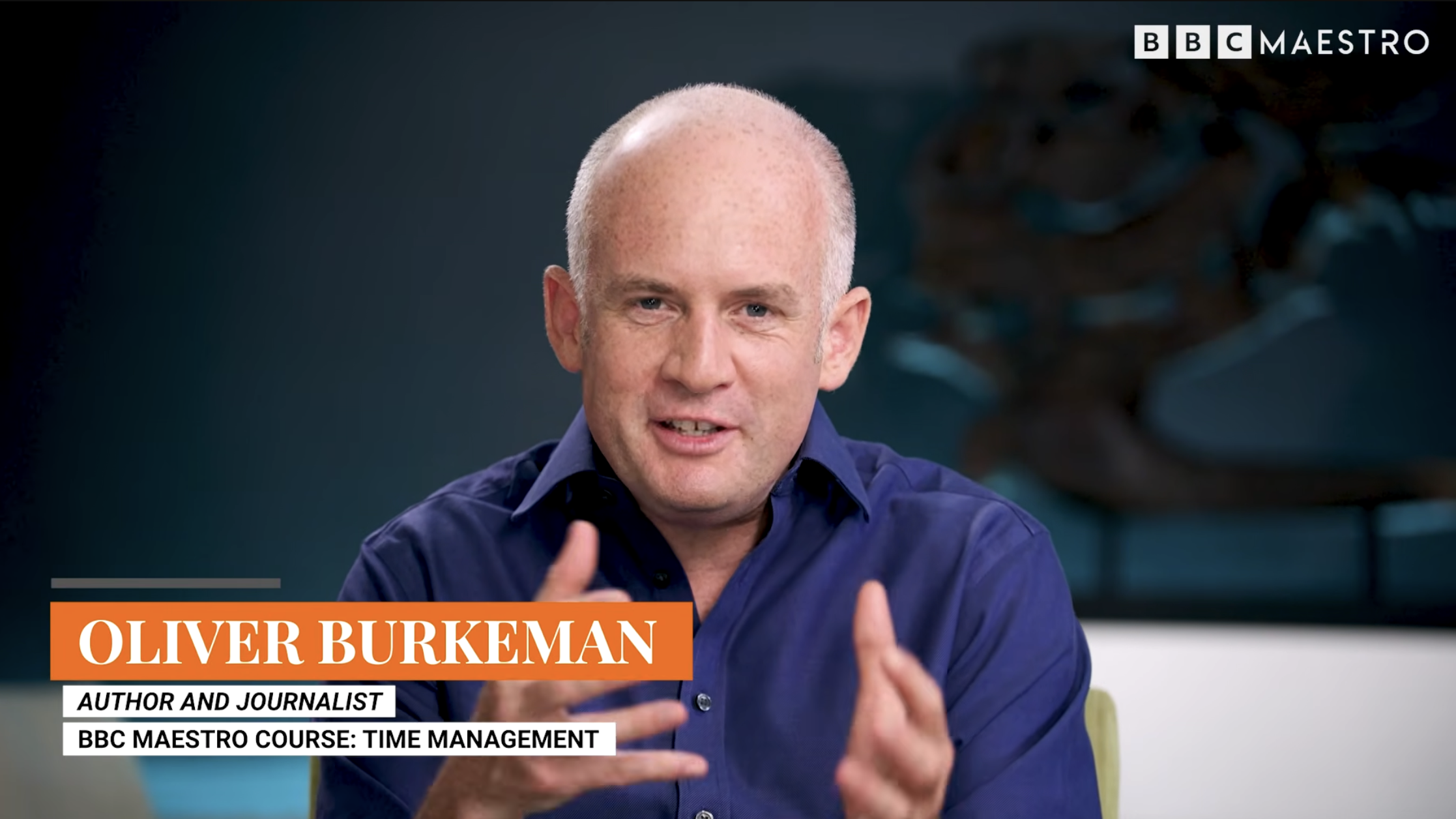
Oliver Burkeman joins BBC Maestro
Oliver Burkeman's launch on BBC Maestro is another sign that organisations are rethinking what productivity really means.
Best known for his bestselling book Four Thousand Weeks, Burkeman has challenged the traditional narrative of time management for years. Rather than offering another system to squeeze more into the working day, he argues that accepting our limitations allows us to focus on what matters most—a message that is increasingly resonating with business leaders.

What is burnout according to neuroscientist Dr Helen Boschi
In a recent episode of In Confidence with Lisa Sun, Dr Helena Boschi explores what burnout really looks like through the lens of neuroscience.
Rather than treating burnout as a sudden event, Helena explains it as the cumulative effect of sustained stress on the brain and body. She discusses why forgetfulness, irritability and the feeling of being constantly busy without making progress are often early warning signs, not personal failings.
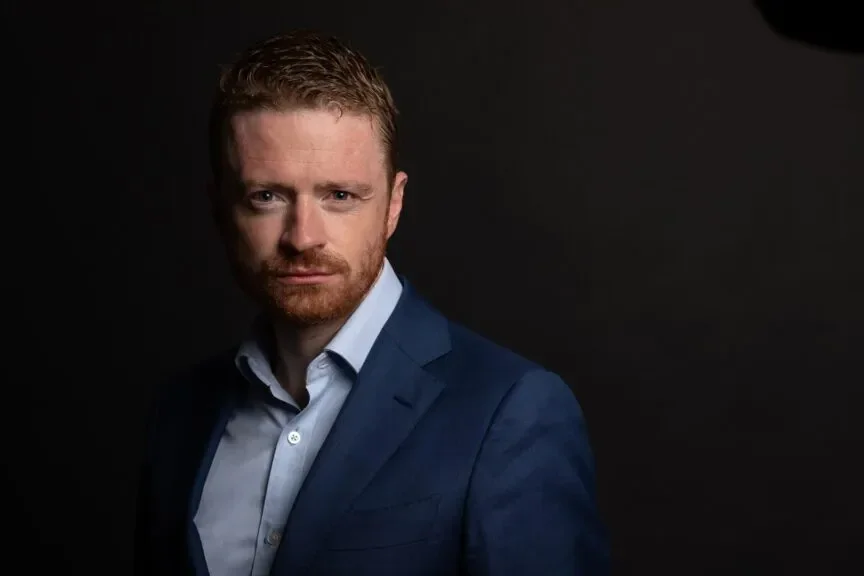
Morgan McSweeney joins Speaking Office roster
We are delighted to welcome Morgan McSweeney to the Speaking Office roster.
From chief architect of Labour’s landslide general election victory in 2024 to the Prime Minister’s Chief of Staff, Morgan has spent his career at the sharp end of politics and power. He brings a rare understanding of how power is won, lost, rebuilt and exercised.
His keynote topics explore leadership in unstable environments, strategic risk, decision-making under pressure, the changing relationship between democracy and technology, and rebuilding credibility. He also addresses how leaders and institutions adapt when the old rules no longer apply.
We are very much looking forward to working with you, Morgan!

Nicolas Hamilton wins Jack Sears Trophy
We are pleased to see that Nicolas Hamilton will be driving for the reigning BTCC champion EXCELR8 MotorsportVertu Motors plc in a Draper Tools car this year.
As the only person with a disability to have raced in the series since it was formed back in 1958, Nic's participation in the British Touring Car Competition has drawn attention to what living and performing with disability actually involves: adapting machinery, managing physical demands, and competing to the same standard as the rest of the grid.
It is true testament to Nic's discipline in preparation, precision in execution, and his willingness to work within — and gradually reshape — the systems around him.
Dr. Elaine Kasket in conversation with The Health Review
Dr Elaine Kasket was a guest on the BBC's Woman's Hour earlier in the week, discussing reports by the National Crime Agency that offenders exploit AI technologies to target children in new ways. Elaine shared how she painstakingly removed photos of her child following a candid conversation with her about the lack of agency her child felt regarding Elaine's sharing; Elaine also emphasises how normalising privacy boundaries amidst peer pressure to agree to sharing is challenging but necessary in view of the abuses that have come to light.
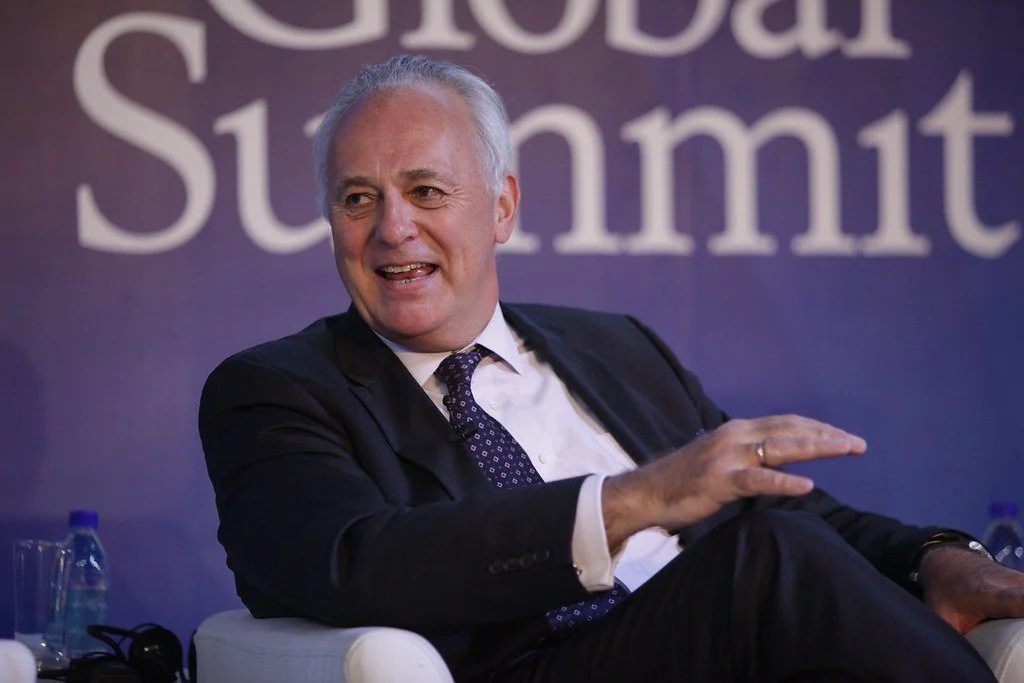
Lord Mark Malloch-Brown joins Speaking Office roster
We are delighted to welcome new speaker Lord Mark Malloch-Brown to Speaking Office.
Mark's career spans the United Nations, where he served as Deputy Secretary-General under Kofi Annan, the World Bank, the British government under Gordon Brown, and most recently the Open Society Foundations, the world's largest private funder of democracy and human rights.