
Morgan McSweeney has lunch with the FT
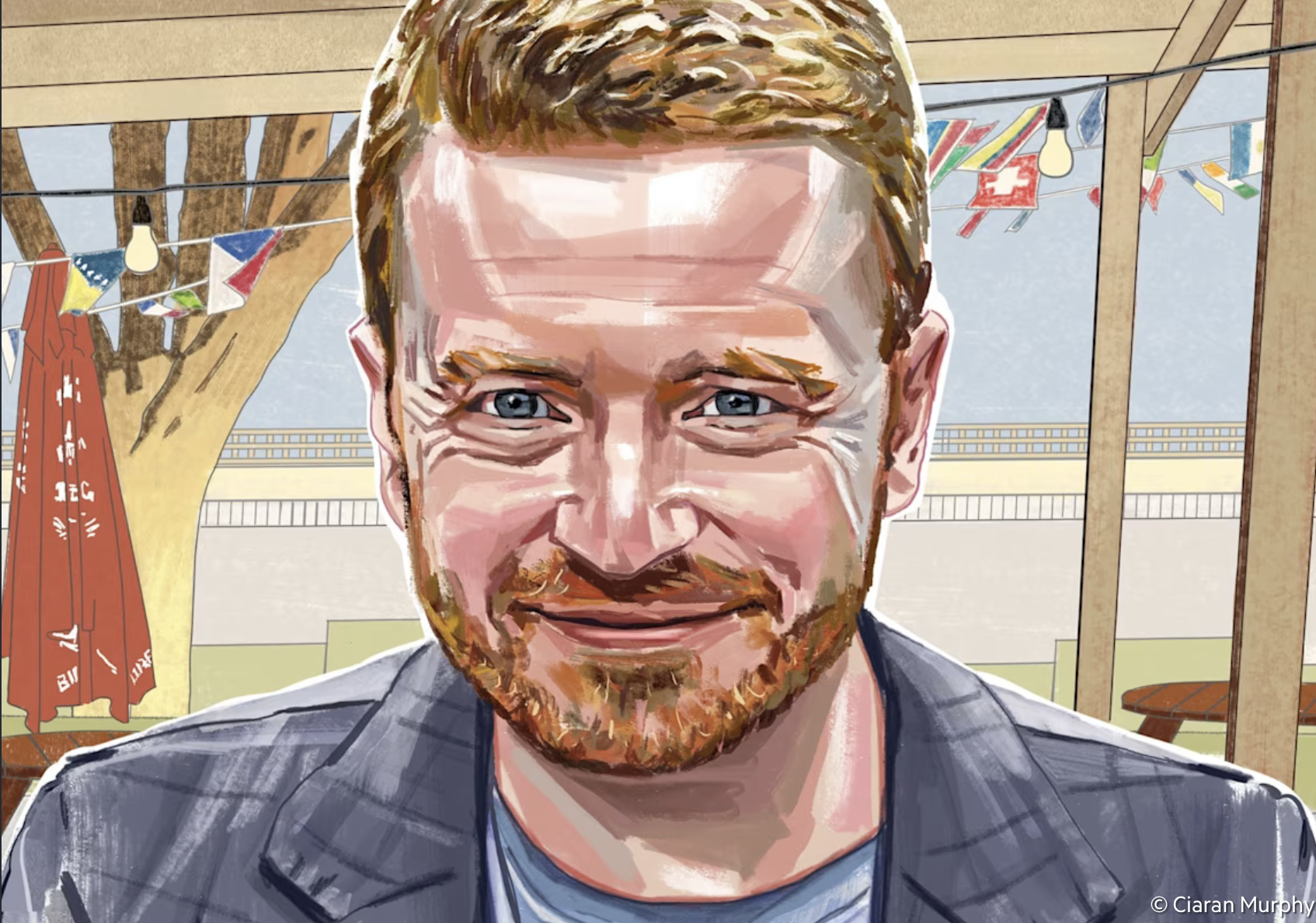
One of the most revealing aspects of Morgan McSweeney's recent Financial Times interview is not his reflections on Downing Street, but the insight it offers into the experiences that shaped his political outlook long before he entered government.
McSweeney speaks candidly about arriving in London from County Cork as a teenager, working in pubs and on building sites, experiencing periods of homelessness, and struggling to find stability. Rather than presenting these experiences as a dramatic personal story, he describes them as formative, grounding his politics in the realities of everyday life and the insecurity faced by many working people.
That background helps explain much of the philosophy that has characterised his political career. Throughout the interview, McSweeney repeatedly returns to practical concerns: restoring trust, addressing the cost of living, creating visible change, and focusing on the issues that affect people's daily lives rather than abstract ideological debates. His argument is that political success depends not on rhetoric, but on demonstrating that government can improve people's lives in tangible ways.
Whether campaigning against the BNP in east London or reflecting on Labour's time in government, there is a consistent thread running through his thinking. The emphasis is less on ideology for its own sake than on understanding why people lose faith in institutions—and what it takes to earn that trust back.
For audiences, it is a timely reminder that some of the most influential political figures are shaped as much by lived experience as by party doctrine. McSweeney's story suggests that his instinct towards a pragmatic, socially conscious politics owes as much to the years before Westminster as to the years spent inside it.